

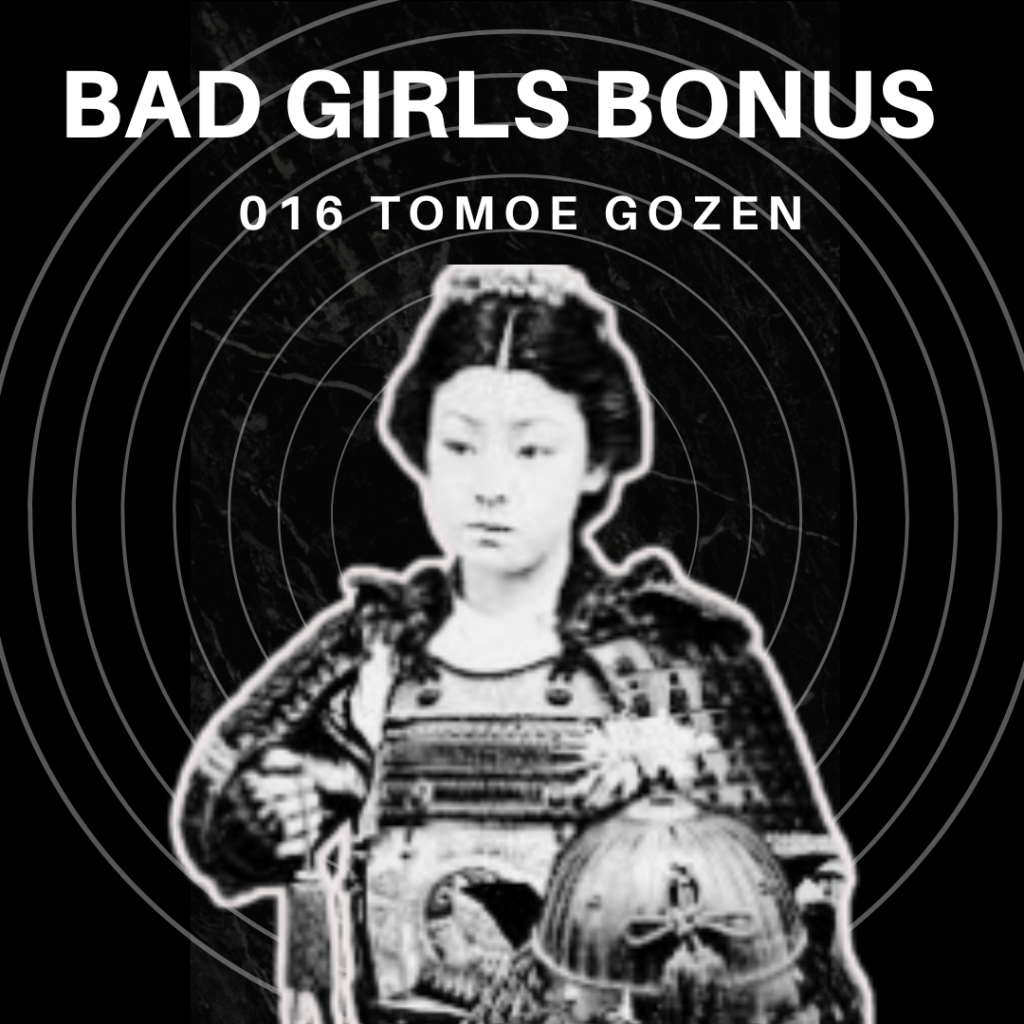
The Samurai Warrior Who Refused to Fade Away
Women have always been expected to remain silent, to submit, to stay in the shadows of history.
But some refuse.
Some ride into battle.
Tomoe Gozen was one such woman—a samurai in her own right, not the wife of a warrior, but the warrior herself. She rode alongside men, wielding her sword with deadly precision, striking fear into those who dared to stand against her.
She was skilled, fearless, and by all accounts, nearly unstoppable.
So why, despite her legendary status, does history struggle to remember her?
What became of her after the war?
And why does her story feel more like myth than fact?
Who Was Tomoe Gozen
Tomoe lived in the late 12th century, serving Minamoto no Yoshinaka, a samurai lord fighting for control of Japan.
Unlike most women of her time, she wasn’t confined to the home—she fought on the battlefield.
Tomoe was one of the few recorded onna-musha—female warriors in samurai culture. These women were trained in combat, often defending their families or homes during war.
But Tomoe did more than defend—she led. She charged. She conquered.
The Tale of the Heike, Japan’s medieval war epic, describes her as a warrior of unmatched skill, capable of riding alone into enemy lines and cutting down soldiers with ease.
(Basically, she was the one you wanted on your side in a fight.)
She was said to be beautiful, but also terrifying—fierce, untouchable, and commanding. In an era where samurai culture was becoming increasingly male-dominated, Tomoe was living proof that women could wield a blade just as well as any man.
Tomoe was especially beautiful, with white skin, long hair, and charming features. She was also a remarkable strong archer, and as a swordsman, she was a warrior worth a thousand, ready to confront a demon or a god, mounted or on foot. – Tale of the Heike
That’s the kind of introduction history usually reserves for legendary men.
But unlike her male counterparts, Tomoe’s name isn’t etched in countless records.
The Tale of Heike is the only source that describes her, and even there, her story is brief.
The Mysterious End of a Warrior
Tomoe’s fate is uncertain.
Some say she died in battle, sword in hand.
Others claim she walked away and became a Buddhist nun, choosing solitude over more bloodshed.
Unlike the male samurai whose deaths were recorded in vivid, poetic detail, Tomoe’s story fades after the fight.
Once the war ended, history lost track of her.
The lack of certainty about her fate doesn’t diminish her power, it enhances it.
In a culture shaped by epic tales and heroic myths, her disappearance became a part of her story.
Not knowing how it ends means we’re still telling it.
But here’s what matters:
She fought.
She was real.
And for centuries, her name has remained.
There may be little historical evidence. No diaries, no documents.
But her story has endured.
She is a legend too good to be forgotten.
(She refused to fade into history. And honestly? That’s kind of perfect.)
The Legacy of Tomoe Gozen
Tomoe Gozen stands as a reminder that women were never just wives, mothers, or princesses—they were warriors, too.
And though history tried to erase her, her legend remains as sharp as her blade.
She isn’t a villain, a witch, or a woman twisted into a warning.
She isn’t even a fully documented fact.
She is the rare woman history couldn’t rewrite—so it simply let her slip into legend.
Did she truly vanish, erased by those who feared her legacy?
Or did she walk away on her own terms, her legend echoing louder than any record?
Maybe that’s the greatest power move of all.
Across this series, we’ve revisited the women who history tried to silence, shape or shame.
We’ve seen how they were rewritten, demonized, erased, or, in rare cases like Tomoe’s, left untouched.
Because stories aren’t just entertainment.
They shape who we are.
They become blueprints for what we believe is possible.
And too often, we forget:
One story is never the whole story.
There is always more beneath the surface. More truth, more shadow, more power than we’ve been told.
By returning to these women, we remember that power comes in many forms.
Rebellion. Survival. Strategy. Mystery. Grace.
They were never just villains or victims.
They were complicated. They were brilliant. They were bad in the way that challenges everything.
And maybe, just maybe—
they left us a map.
Not to follow blindly, but to remind us:
we were never meant to stay in the lines.
Always,
Your Trusted Friend 🖤

Discover more from The Clever Confidante
Subscribe to get the latest posts sent to your email.

