

Day Twenty-Eight: Mapping the Journey Ahead

We’ve ended the “Shadow Seeker,” exploring themes of Childhood Wounds, Fears & Insecurities, Desire & Jealousy, and Anger, Resentment, & Forgiveness. Each week, we have shown courageously and compassionately as we have faced some of our darker emotions, uncovering what lies beneath.
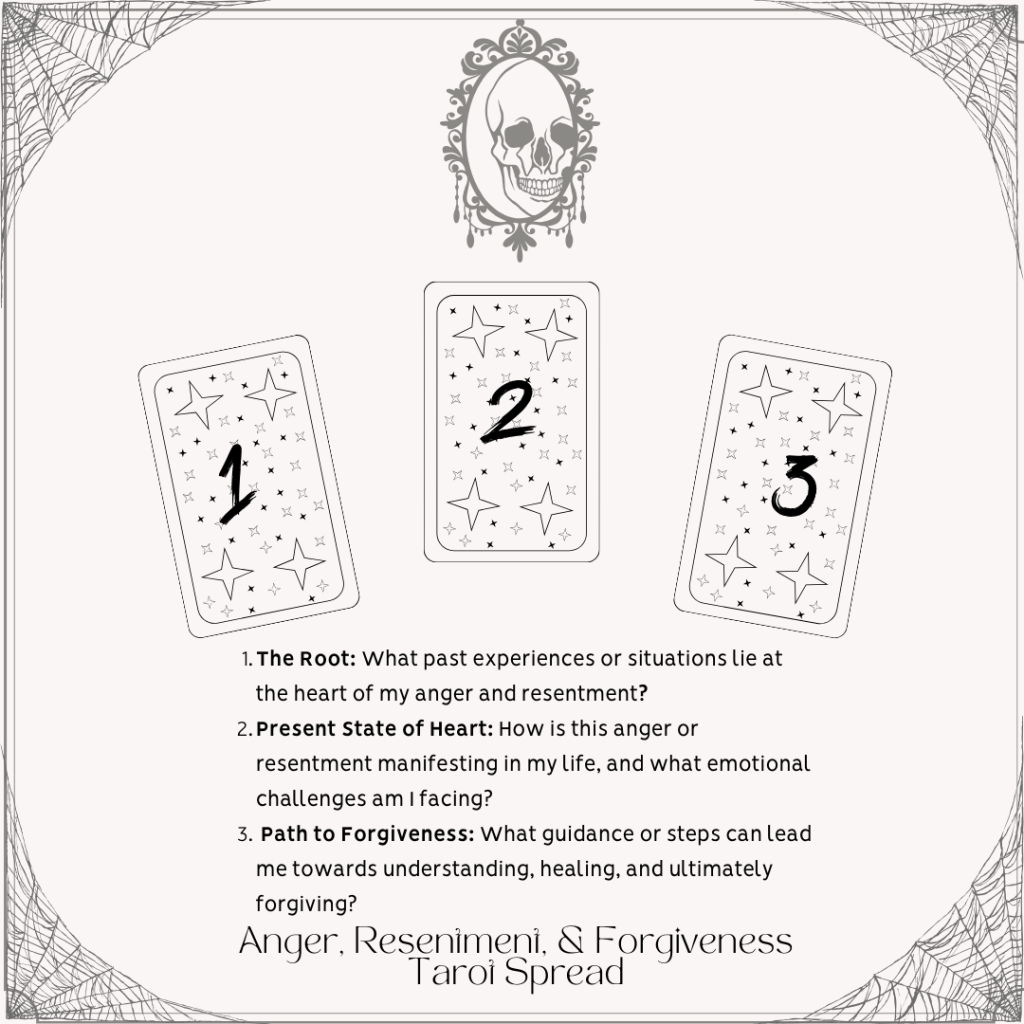
This week’s journey through exploring anger, resentment, and forgiveness was particularly heavy. We’ve explored the complexities of these emotions, uncovering their underlying causes and learning how to navigate them with compassion and understanding instead of repressing them or reacting too hastily.
We began by recognizing anger as a powerful messenger, signaling unmet needs, boundaries being crossed, and deep-seated emotions waiting to be addressed. Through introspection and self-inquiry, we learned to look beyond our anger’s surface, understand what lies beneath, and listen to its wisdom.
We explored the detrimental effects of repressed anger and resentment on our mental, emotional, and physical well-being, discovering how they can manifest in behavior, relationships, and even our bodies. We learned that forgiveness is not about condoning or excusing harmful actions but about releasing the burden of anger and reclaiming our sense of agency and self-worth.
As we move forward, it’s essential to apply the lessons we’ve learned from this week’s exploration in our daily lives and create a map for moving forward. We should be intentional in the steps we can take to apply everything we’ve learned.
Here are some steps we can take to prevent future feelings of prolonged anger or resentment:
- Practice mindful awareness: Cultivate a daily mindfulness practice to become more attuned to your emotions and triggers. Check-in with yourself regularly and observe any anger or resentment as they arise.
- Set healthy boundaries: Identify your needs and boundaries and communicate them assertively with others. Learn to say no when necessary and prioritize self-care and self-respect.
- Practice forgiveness: Embrace the practice of forgiveness to release the grip of anger and resentment. Forgiveness is a process; it may take time to fully let go of past hurts.
- Seek support: Reach out to friends, family, or a therapist for support and guidance in navigating difficult emotions. Surround yourself with people who uplift and empower you on your journey towards healing.
- Practice self-compassion: Be gentle and kind with yourself as you navigate the complexities of anger, resentment, and forgiveness. Remember that it’s okay to feel these emotions and that you are worthy of love and understanding.
As for me, I’ll start by prioritizing self-care and setting boundaries to protect my emotional well-being. I’ll also practice forgiveness towards others and myself, letting go of past hurts and embracing a future filled with compassion and understanding. Most importantly, I’ll continue to approach each day with mindfulness and self-compassion, giving space to all the emotions that arise within me and exploring what they tell me.
Always,
Your Trusted Friend 💀
Discover more from The Clever Confidante
Subscribe to get the latest posts sent to your email.

