
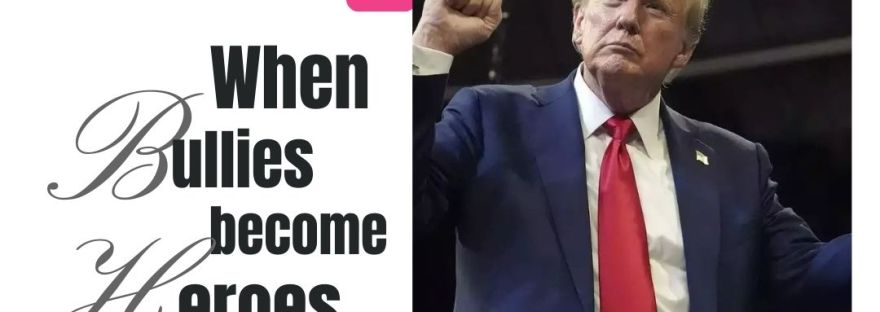
Some people were born to be bullies.
Maybe life did them wrong in some way, leaving scars they now wear like armor—a prickly shield that lets them carve out a place of their own by keeping everyone else at a distance.
It’s their way of asserting themselves, of creating a sense of safety by pushing others down.
Or maybe they’re lost, threatened by the beauty and light they see in others around them. In their insecurity, they feel compelled to dim it, hoping that by making others small, they might finally feel big enough.
These are the people who chip away at those they envy, needing to snuff out the goodness they themselves can’t find within.
Or maybe, for some, it’s all about power—a high, a rush that comes from sitting on the top rung of the ladder, knowing they’re stronger, better, more powerful than anyone they can keep beneath their heel.
There’s a hollow satisfaction that follows—a fleeting moment of feeling whole, as if they’ve filled whatever’s missing inside.
Once upon a time, bullies didn’t get what they wanted.
They were the villains—clearly cast, widely seen for who they were.
Society didn’t idolize them; we didn’t cheer when the abuser hit his spouse, or when anyone belittled women or men, rating them by their appearance, objectifying them, or speaking of them as tools to be used.
We didn’t laugh when someone dismissed another person’s allegations as “lies,” smearing them to protect their own image.
We didn’t celebrate those who felt entitled to touch or invade another’s space without permission, bragging about it as a display of power.
We didn’t ignore those who belittled and silenced others—whether at work, on the playground, or online—mocking their emotions, reducing their contributions, or calling them “weak.”
We didn’t turn a blind eye to the person who labeled those who spoke out as “nasty,” “crazy,” or “unstable” simply because they dared to challenge the status quo.
We didn’t let powerful figures dismiss the hard work of marginalized people, whether women, people of color, or others who had long been silenced, belittling their success as mere luck, relationships, or “playing the victim.”
We didn’t cheer for those who tried to shame people who dared to challenge them, or for those who stirred hatred against any group—based on race, gender, sexual orientation, or any other difference.
There was a time when we fought against all of this—when we recognized that these actions weren’t just “harmless” or “a joke.”
We began to move past those behaviors, calling out injustice, demanding respect, and pushing for equality. We worked to create a world where cruelty was no longer celebrated.
But now, it seems that progress is at risk.
The behaviors we fought to overcome—the bullying, the belittling, the systemic discrimination—are re-emerging, sometimes even celebrated as ‘strength,’ ‘boldness,’ or ‘masculinity.’ The cruelty we once worked to eradicate is, in some corners, becoming normalized again.
Silence has turned from passive to active.
We scroll, we share, we “like,” until slowly, bullies are given platforms, and silence turns into applause.
They’re handed the mic, given the spotlight, and sometimes even lifted up.
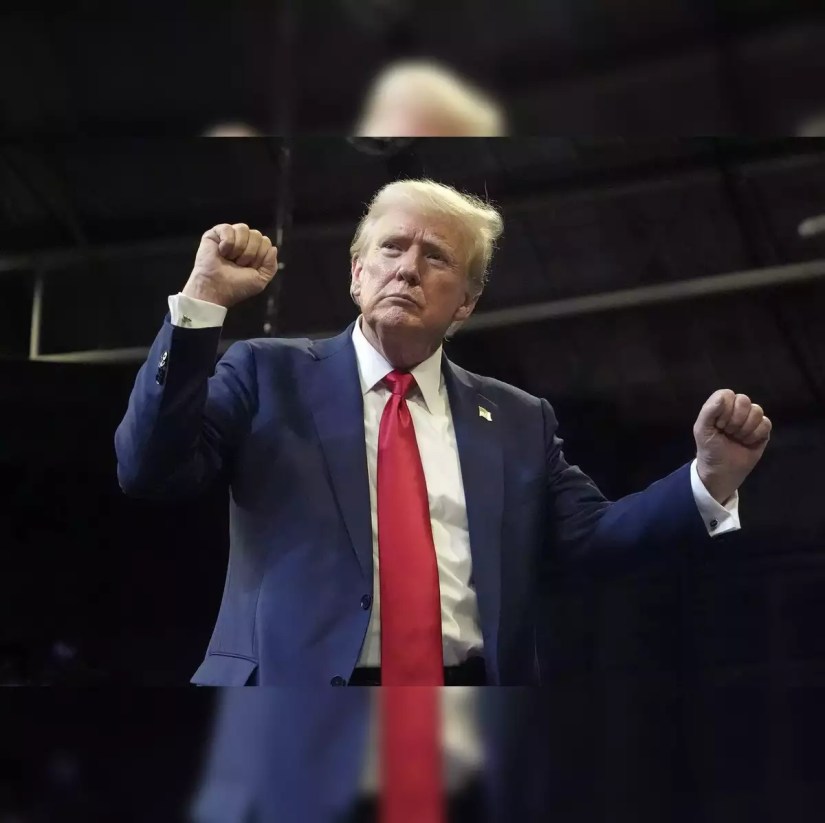
Sometimes, they’re even made our president.
But the choice is still ours.
We can either stay silent, passively condoning cruelty, or we can speak up and resist the lure of apathy.
There’s power in choosing kindness, and true strength in not joining in.
And if we stand together—even in small ways, even when it’s hard—we can remind the world that compassion and empathy aren’t relics of the past.
They are the tools that keep us human, the quiet but persistent voices calling us back to what truly matters.
And we won’t cheer the bully.
Always,
Your Trusted Friend ♥
Discover more from The Clever Confidante
Subscribe to get the latest posts sent to your email.


Needed this. Thank you.
LikeLiked by 1 person
I did, too. 💙
LikeLike